

Los Angeles Restaurants Face Growing Grease Theft Concerns as Used Cooking Oil Gains More Commercial Value

TGC used cooking oil pickup truck for restaurant grease collection
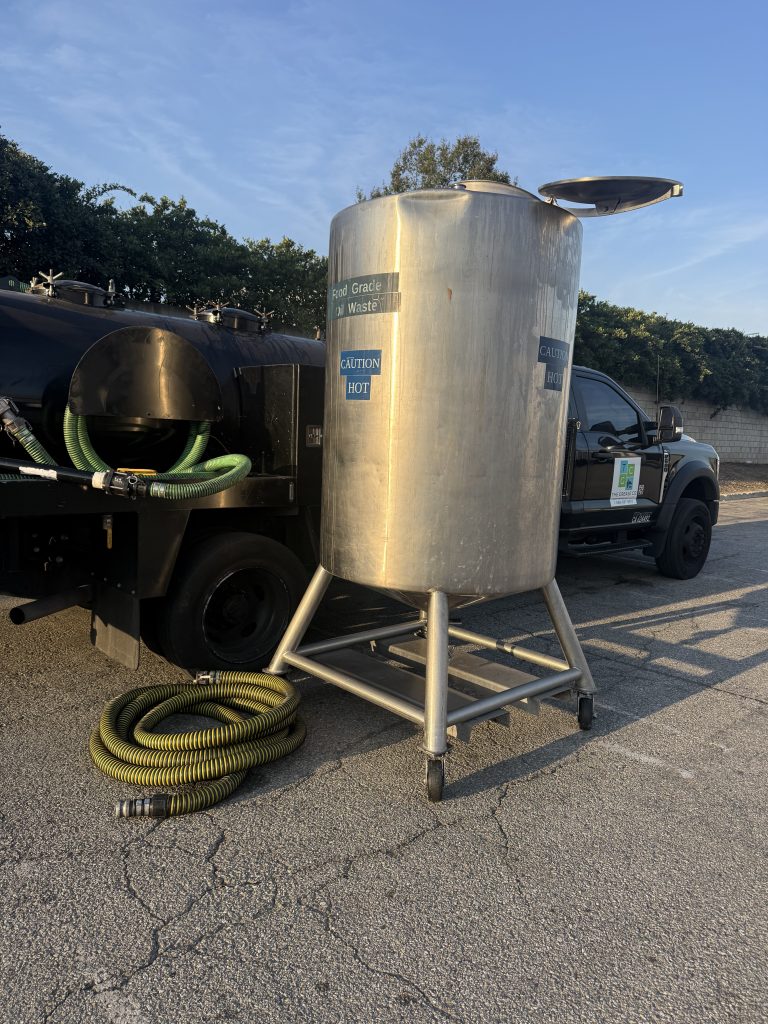
Secure used cooking oil storage container at a Los Angeles restaurant awaiting scheduled pickup.
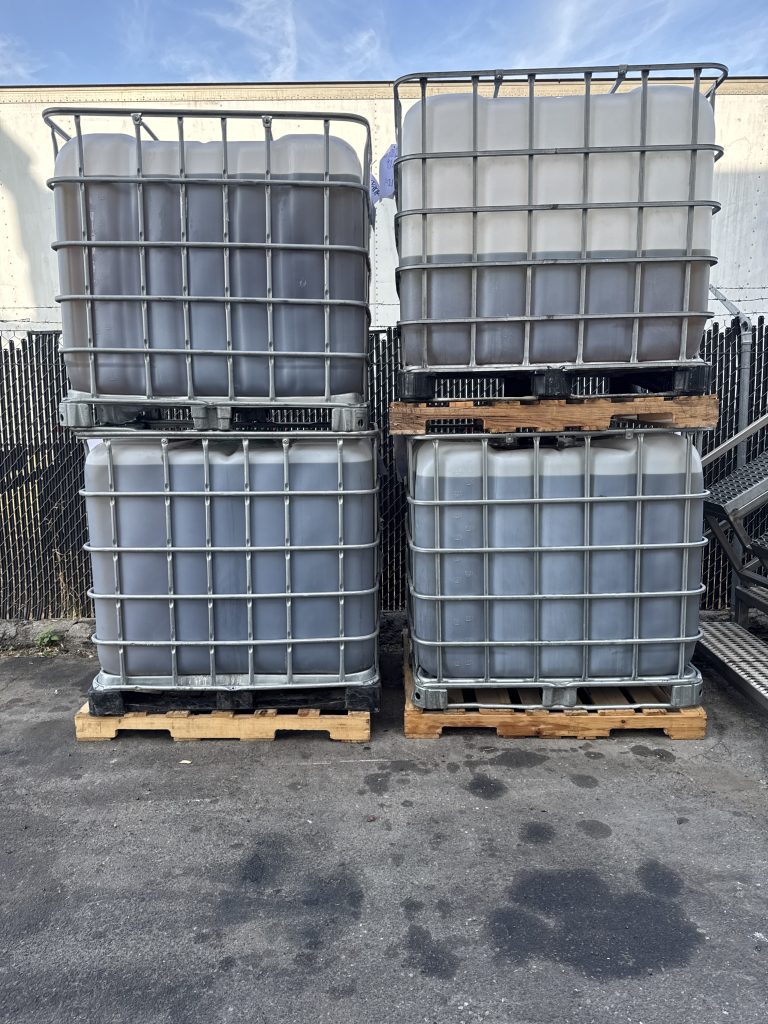
Bulk used cooking oil collected from commercial restaurants in Los Angeles.
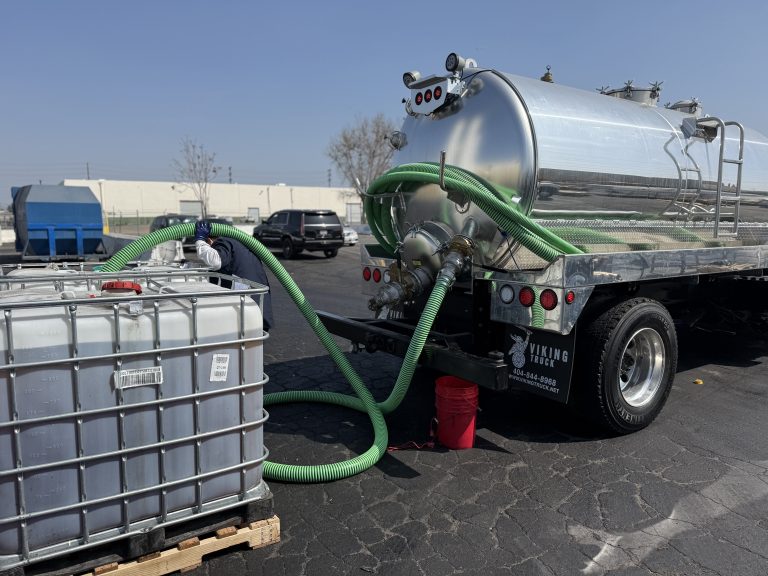
TGC providing used cooking oil collection for a commercial restaurant in Los Angeles.
Los Angeles restaurants should protect their used cooking oil by securing storage containers, monitoring pickup areas, and preventing unauthorized grease theft.
Used cooking oil has become a more attractive target for grease theft because it can be sold as a recoverable commercial commodity after leaving the restaurant kitchen. Unlike ordinary kitchen waste that may have little or no resale value, clean used fryer oil can be sold in bulk and traded through established commercial markets. Used cooking oil price depends on factors such as the type of oil, its quality, the amount collected, and current market conditions. Larger volumes of relatively clean oil are generally more useful to commercial waste cooking oil buyers because they can be transported and processed efficiently. At authorized processing and recycling facilities, waste cooking oil and expired food grade oil can become a feedstock for biodiesel and other commercial products, giving the material a second economic life. This market demand explains why grease containers at restaurants have become a target for unauthorized grease collectors. A container filled with hundreds of gallons of used cooking oil is not simply holding kitchen waste; it can contain a valuable commodity that may be worth hundreds or even thousands of dollars depending on its quality, and current market condition.
So, how does grease theft are actually happening at busy restaurants in Los Angeles communities? In many cases, the opportunity comes from the way used cooking oil is stored. Restaurant employees are focused on food preparation, customers, cleaning, and other daily responsibilities, so an outdoor grease container may receive little attention during the day. These containers are often placed where collection vehicles can easily access them, but that same accessibility can make them easier for unauthorized individuals to reach. Someone removing oil without permission may be able to access the container while kitchen staff are occupied inside the restaurant. The incident may not be discovered right away. Employees may assume the scheduled grease collection company has already picked up the oil, only to find later that the container is empty, partially drained, damaged, or disturbed. In some cases, spilled grease or an unsecured lid may be the first indication that someone has accessed the container. Without a clear pickup schedule and an identifiable used cooking oil pickup process, it can also be difficult for a restaurant to determine when the oil disappeared.
Once a restaurant discovers that gallons of used cooking oil have disappeared unexpectedly, there may be little to do beyond reporting the incident to the appropriate authorities and contacting the company responsible for the scheduled grease removal. But before that happens, it is important for restaurant operators to understand the difference between legitimate grease collection and unauthorized removal. The restaurant may not know who accessed the container, when the oil was taken, or how much was removed. Signs such as an unexpectedly empty container, a sudden drop in the oil level, an open or damaged lid, broken locks, moved grease containers, spilled grease, or tire marks near the collection area may indicate that someone accessed the container without permission. Staff may also notice a collection occurring outside the restaurant’s normal service time or see an unfamiliar vehicle or person near the grease container. Keeping clear manifest records, checking the collection area regularly, and knowing which company is authorized to remove the oil can make unusual activity easier to identify and address.
Local grease management experts in Los Angeles advise restaurant operators to treat used cooking oil containers as part of their commercial waste-management process rather than leaving them completely unattended. Grease removal technicians at TGC Used Cooking Oil Services said, “Used cooking oil has value, and restaurants should know who is collecting it. An unexpected empty container or unfamiliar collector can be a warning sign that deserves attention.” For food-service businesses, the consequences can go beyond the loss of the oil itself. A stolen container can mean losing recyclable used vegetable oil, missing a potential rebate, paying for spill cleanup, or dealing with damage to storage equipment. Because collection containers are usually located outside the main kitchen, employees may not notice unauthorized activity as it happens. Restaurants can reduce this risk by positioning containers appropriately for scheduled pickups while keeping them as secure as reasonably possible. Where suitable, locks or other security measures can provide additional protection. Keeping pickup records and verifying unfamiliar collectors can also help restaurants identify unauthorized activity and maintain better control over their used cooking oil, also known as yellow grease.
For years, used cooking oil was something restaurants simply needed to get rid of after it was no longer suitable for cooking. Its commercial value has changed that perspective. Once fryer oil is generated in the kitchen, it is stored in a collection container until an authorized hauler arrives to remove it for cooking oil recycling. While the oil remains on the restaurant’s property awaiting pickup, the establishment should take reasonable precautions to protect it from unauthorized removal. This period between storage and collection is when restaurants have the greatest responsibility for keeping their used cooking oil secure. For Los Angeles restaurants, grease theft prevention therefore begins before the collection truck arrives to pick up the used kitchen grease. Because the used cooking oil remains in the restaurant’s possession until the service, the establishment should take appropriate measures to prevent unauthorized individuals from accessing or removing it. If oil is discovered missing or someone is seen removing it without authorization, the restaurant should report the incident immediately to the appropriate authorities and notify their regular grease management company so the situation can be documented and addressed accordingly.
Manager
TGC Used Cooking Oil Collection
webmaster@thegreasecompany.com
Visit us on social media:
Instagram
Facebook
YouTube
Legal Disclaimer:
EIN Presswire provides this news content "as is" without warranty of any kind. We do not accept any responsibility or liability for the accuracy, content, images, videos, licenses, completeness, legality, or reliability of the information contained in this article. If you have any complaints or copyright issues related to this article, kindly contact the author above.
