

Northwestern Medicine Study Reveals Hidden Immune Environment in Myasthenia Gravis Patients
The chronic autoimmune disease is most common in women under age 40 and men over age 60; impacts eye movements, swallowing, fatigue and more
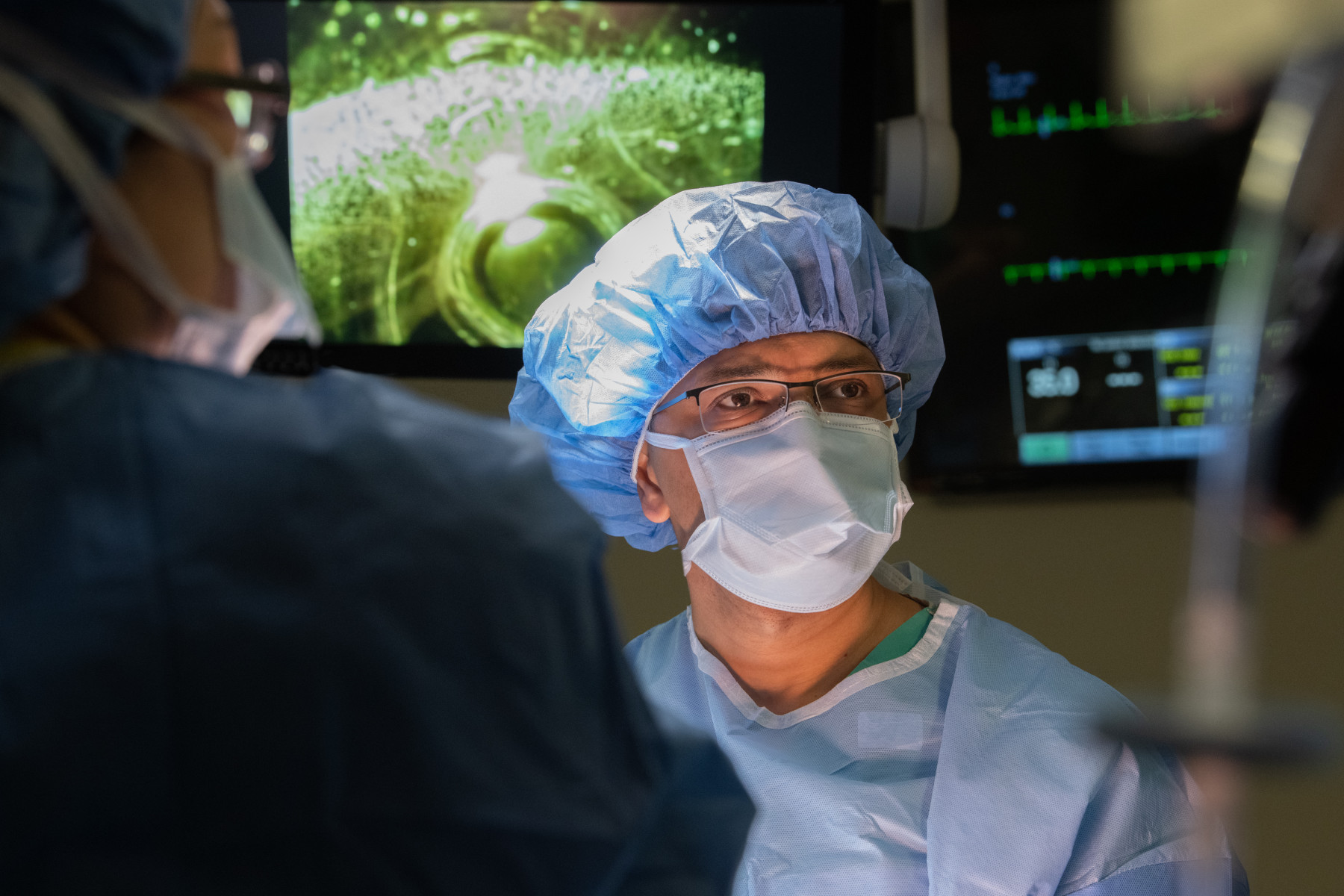
In a new study published in Science Advances, Northwestern Medicine scientists have uncovered a previously hidden immune environment in the thymus that may help drive myasthenia gravis (MG), a chronic autoimmune disease that causes muscle weakness and fatigue, mainly impacting women under age 40 and men over age 60. Using the largest known cellular and spatial map of the MG thymus ever assembled, scientists identified specialized immune cells and survival signals that may help sustain the disease, opening new avenues for future research and treatment.
Myasthenia gravis occurs when the body’s immune system mistakenly attacks the communication point between nerves and muscles. The symptoms worsen with activity and improve with rest. Most often, the disease affects the muscles that control the eyes, facial expressions, talking, swallowing and chewing. In severe cases, breathing muscles can become dangerously weak.
While scientists have long known that harmful antibodies play a major role in MG, they do not fully explain why symptoms vary among patients or why some people continue to experience disease activity despite treatment, including the surgical removal of the thymus, called a thymectomy.
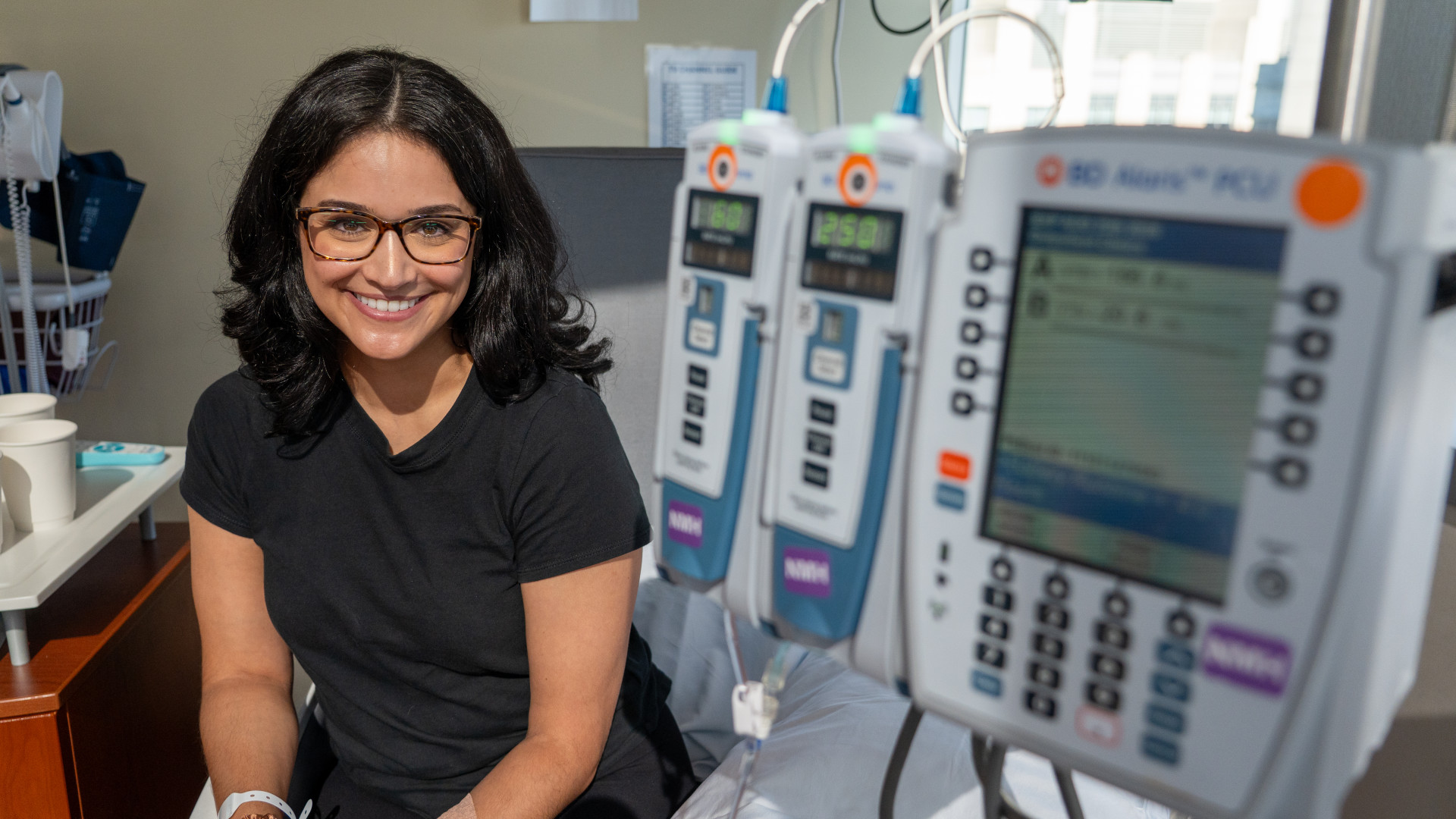
“During childhood, the purpose of the thymus is to train the body’s immune cells, but in adulthood, the thymus shrivels up and starts to malfunction, which can lead to myasthenia gravis,” said senior author Ankit Bharat, MD, chief of Thoracic Surgery in the Department of Surgery and executive director of the Northwestern Medicine Canning Thoracic Institute. “Our study suggests there’s more to myasthenia gravis than antibodies alone. We found evidence that the thymus may create an abnormal immune environment that helps certain B-cells survive and persist, even after the thymus is removed. Understanding that environment gives us an entirely new framework for studying and possibly treating the disease.”
For patients like 30-year-old Marissa Humayun of Chicago, the latest research gives her hope, especially after three years of ups and downs.
In early 2023, at the age of 26, Humayun went to the emergency department with stroke-like symptoms that came out of nowhere, including a droopy eyelid and double vision. When bloodwork came back negative for the main MG antibodies, Neena Cherayil, MD, assistant professor of Neurology in the Division of Comprehensive Neurology and a Northwestern Medicine neuro-ophthalmologist, diagnosed Humayun with ocular myasthenia gravis (OMG) and seronegative myasthenia, a rare form of MG, where three of the known antibodies for MG don’t show up in standard blood tests, but patients still present symptoms.
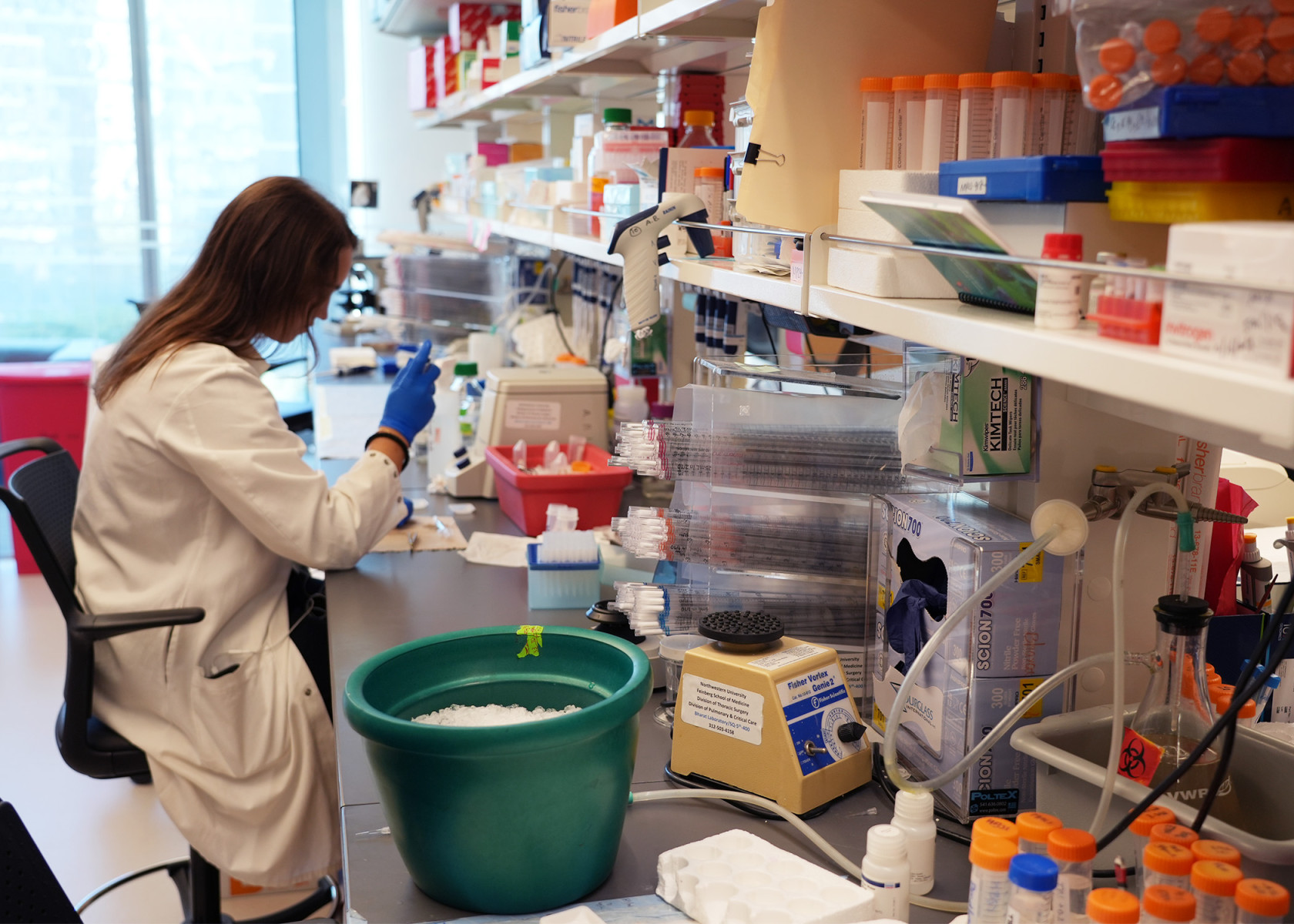
Three months after her diagnosis, Humayun underwent robotic surgery with Bharat to have her thymus removed and donated the small gland to his research study. Even though the thymectomy was a success, Humayun’s symptoms returned, which can happen in some patients. Humayun now relies on infusion therapy at Northwestern Memorial Hospital to help control her symptoms and is treated by Arjun Seth, MD, assistant professor of Neurology in the Division of Neuromuscular Disease and a Northwestern Medicine neuromuscular medicine specialist.
“When symptomatic, I have droopy eyelids, fatigue and double vision — especially if I’ve pushed myself too hard or didn’t rest enough. Myasthenia gravis is such a discouraging disease, but I must honor my body for what it can do today,” Humayun said. “Bharat is an inspiring surgeon and scientist, and Northwestern Medicine has truly taken care of me throughout my diagnosis and treatment. I’m optimistic for the future, knowing scientists right here in Chicago are working to find solutions for patients in the myasthenia gravis community.”
“Our hope is that we can now identify patients — like Marissa — who are at risk of having a recurrence after the thymectomy and after treatment,” Bharat said. “Also, this study gives us clues as to why some patients don’t respond to the conventional medical treatments. What we’re hoping to do is identify those patients who are at risk and then ultimately design clinical interventions that can kill those cells and then prevent the recurrences.”
A surprising discovery
To better understand what happens inside the thymus, Northwestern Medicine scientists analyzed 23 thymus samples from 16 patients and combined several advanced technologies, including single-cell RNA sequencing, immune receptor analysis and spatial transcriptomics. Together, these techniques allowed scientists to identify individual cell types and determine where those cells were located within the tissue.
After integrating their data with previously published datasets, the team created an atlas containing nearly 347,000 cells, making it the most comprehensive map of the MG thymus to date. Scientists expected to find evidence of a single rogue immune-cell population driving disease, but instead, they found something very different.
The study revealed a diverse population of class-switched B-cells clustered within and around abnormal germinal centers in MG tissue. Rather than showing signs of traditional immune regulation, these cells appeared to rely on a separate survival pathway involving molecules known as BAFF and BCMA.
The scientists describe the finding as a potential “tolerance checkpoint swap” in which B-cells move away from normal immune-control mechanisms and become supported by survival signals from the surrounding tissue environment.
“We did not find one dominant B-cell clone taking over,” Bharat said. “Instead, we found a diverse population of B-cells living within an abnormal immune neighborhood. The neighborhood itself may be helping these cells survive.”
What happens next?
The findings may help explain several longstanding mysteries surrounding myasthenia gravis, including why antibody levels do not always match disease severity and why improvement after thymus-removal surgery can vary from patient to patient. However, the scientists caution that the current study did not directly test those questions.
“This study is not a treatment announcement and does not change current recommendations for patients with myasthenia gravis,” Bharat said. “Thymectomy remains an evidence-based treatment for appropriately selected patients, and additional research will be required to determine whether the newly identified pathways play a direct role in disease progression.”
Instead, the work provides a detailed roadmap for future investigation.
“This study gives us a map,” Bharat said. “The next step is to determine whether these pathways actively drive disease and whether they can be targeted to restore immune tolerance. That’s the promise of this research.”
The pulmonology and lung surgery program at Northwestern Memorial Hospital is the highest-ranked in Illinois for 15 years straight and No. 4 in the U.S., according to U.S. News & World Report, 2026 – 2027. For more information, visit nm.org.
Legal Disclaimer:
EIN Presswire provides this news content "as is" without warranty of any kind. We do not accept any responsibility or liability for the accuracy, content, images, videos, licenses, completeness, legality, or reliability of the information contained in this article. If you have any complaints or copyright issues related to this article, kindly contact the author above.
